IRAN UNESCO

UNESCO HAS DESIGNATED 24 SITES IN IRAN

A World Heritage Site is a place (such as a building, city, complex, desert, forest, island, lake, monument, or mountain) that is listed by the United Nations Educational, Scientific and Cultural Organization (UNESCO) as being of special cultural or physical significance. The list is maintained by the international World Heritage Program administered by the UNESCO World Heritage Committee, composed of 21 UNESCO member states which are elected by the General Assembly.

The program catalogues, names, and conserves sites of outstanding cultural or natural importance to the common heritage of humanity. Under certain conditions, listed sites can obtain funds from the World Heritage Fund. The program was founded with the Convention Concerning the Protection of the World’s Cultural and Natural Heritage, which was adopted by the General Conference of UNESCO on 16 November 1972. Since then, 191 states parties have ratified the Convention, making it one of the most adhered to international instruments. Only Liechtenstein, Nauru, Somalia, South Sudan, Timor-Leste, and Tuvalu are not Parties to the Convention.  


UNESCO HAS DESIGNATED 22 SITES IN IRAN AS UNESCO WORLD TANGIBLE HERITAGE SITES
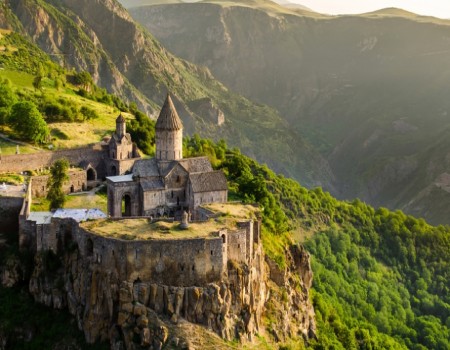


1) Armenian Monastic Ensembles of Iran (2008)

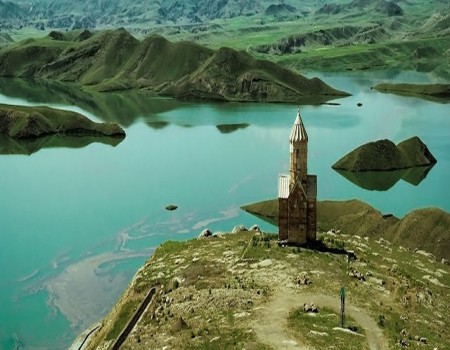
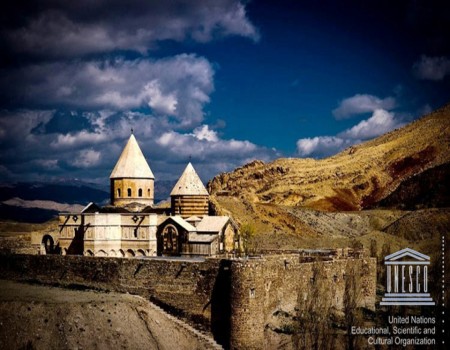
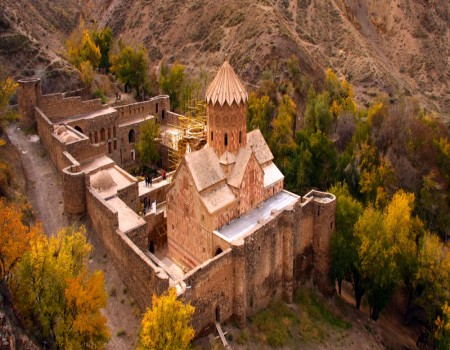
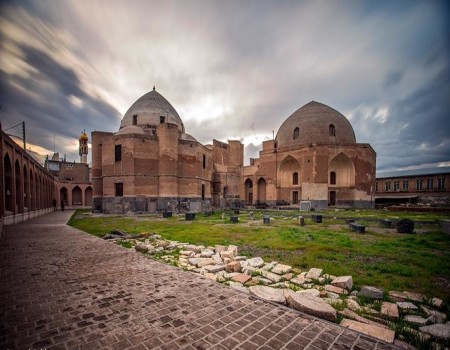
We have a very special group of Armenian churches in Iran, the St. Thaddeus Monastery, the St. Stepanos Monastery and the Chapel of Dzordzor. those all located in west and east Azerbaijan provinces.

The oldest one backs to 7th century which is called Saint Thaddeus.one of Jesus Christ’s apostles tomb located there. and a key figure in Armenian religious tradition. There you can be well acquainted with Armenian architecture and decorative traditions The ensemble is in a good state of preservation.

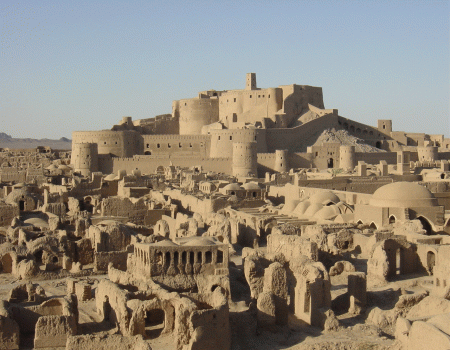
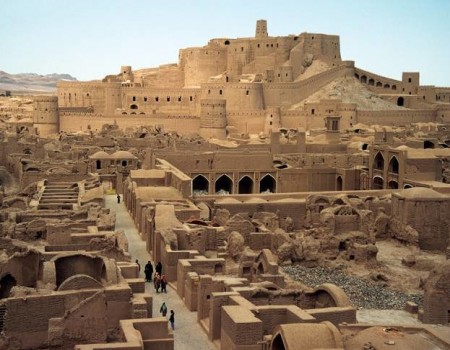
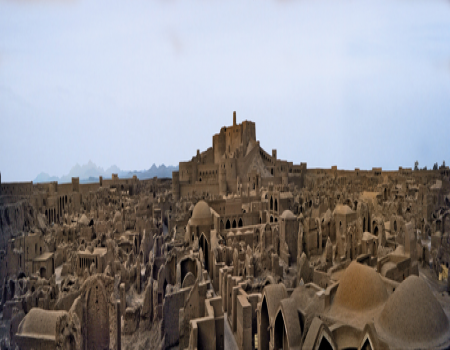
2) Bam and its Cultural Landscape (2004)

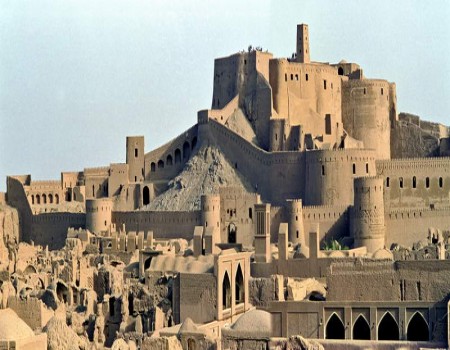
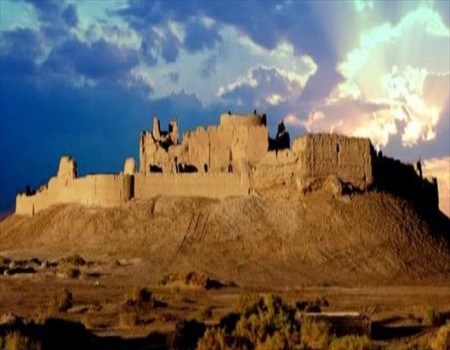
Arg-e Bam or Bam citadel is the great sample of a fortified medieval town built in vernacular technique by using mud layers.

Bam is located in desert environment, it is a landscape and cultural testimony to the development of a trading settlement in the desert.it is well known as the world’s largest mud-brick complex.

Bam origins back to the Achaemenid period (6th to 4th centuries BC).it was exactly at crossroads of important trade routes because of the importance of the production, like silk and cotton garments. This unique complex is worth vising on your trip.

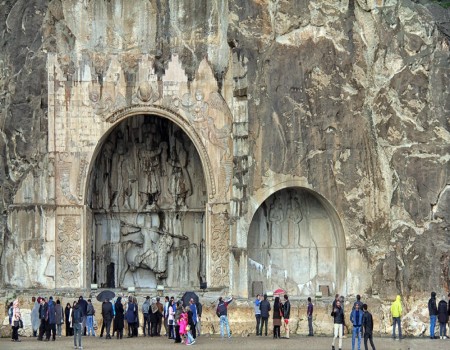
3) Bisotun(2006)

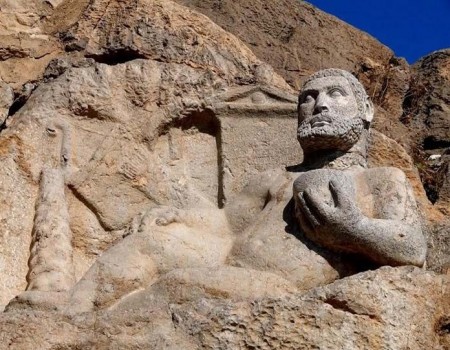
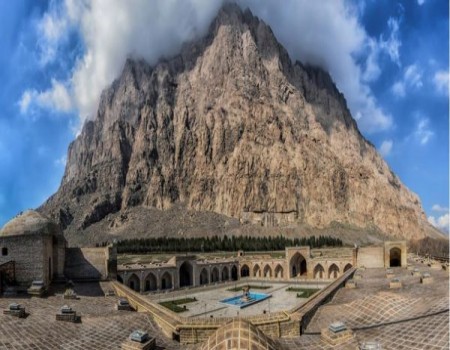
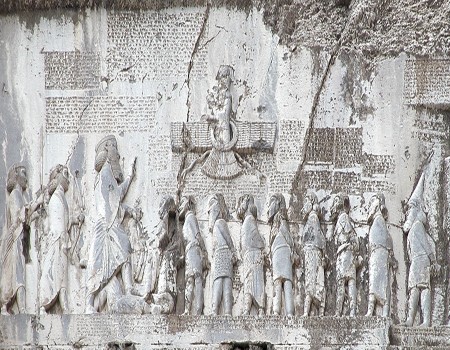
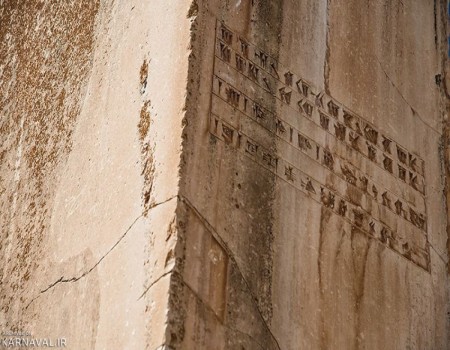
today Kermanshah province has a universal value because of Bisotun ancient site.  The city Bisotun was near from the Imperial road which connected east to west or better to say Iran ancient capital to Mesopotamia. and its characters remain from prehistoric times to Median, Achaemenid, Sassanid and Ilkhanid Periods. On the rocky  Bisotun mountain  ,king Darius the great left a famous inscription. From the Seleucid epoch there is a Herakles statue. From  Parthian kings we have also  different reliefs. Late Sasanian rulers prepared a large piece of rock for another victory relief which was never finished because of the subsequent Arab invasion. Later folklore made different lovely stories about that.

4) Cultural Landscape of Maymand

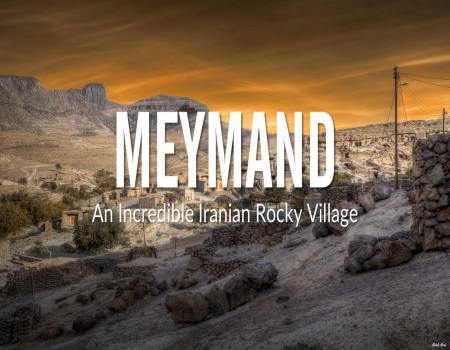
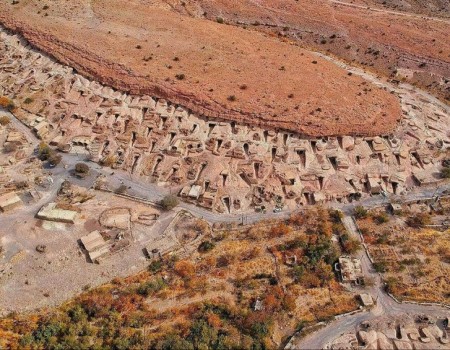
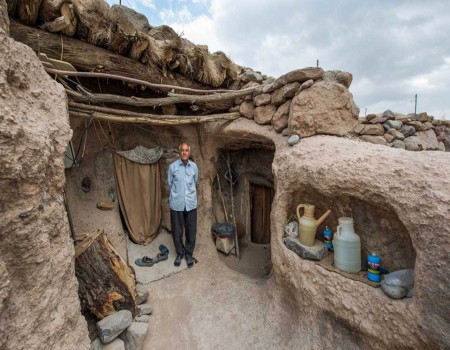
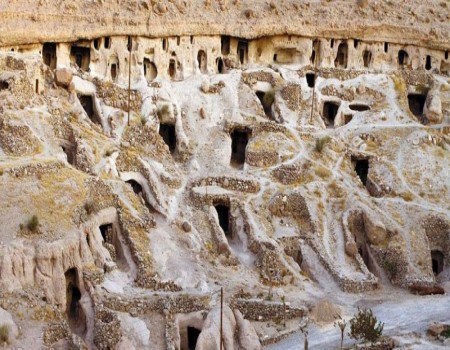
Meymand or Maymand or Meimand in Kerman province 35 kilometers far from a small town Shahr e- Babak in south eastern part of Iran .it is village backs to ancient time reminded us primary inhabitants lived here about 12000 years ago. The villagers were agro -pastoralists who were good at raising cattle and sheep and who were able to utilize the minimal available water for growing wheat. The village is a UNESCO world heritage site and was awarded UNESCO’s 2005 Melina Mercouri prize

5) Golestan Palace (2013)

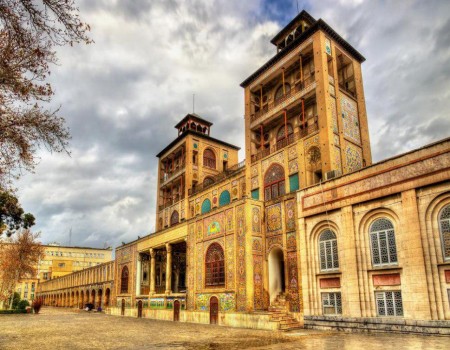
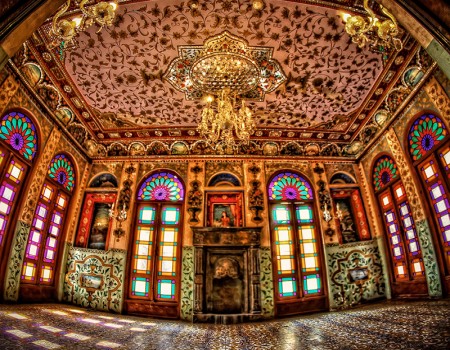
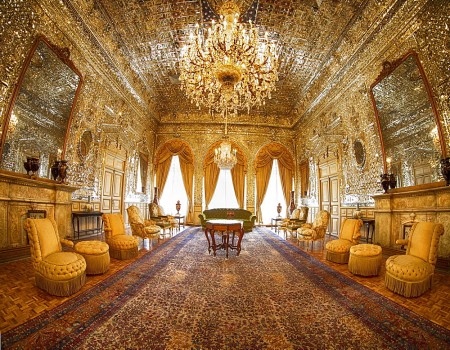
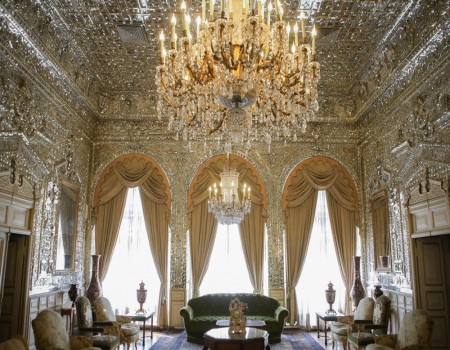
The origin of Golestan palace backs to Safavid era about 400 years ago, and is a masterpiece like a diamond shows us Persian art and architecture. Golestan literary means flowers .it is located in the heart of the city. The historic part of the capital city, it was selected by Shah Tahmasb I in Safavid period. but the golden time of this walled palace was at 1779 when it had been selected again as a governmental palace by Qajar kings. the former royal Qajar complex is a group of palaces completed during the history which is an outstanding example of Persian architecture. You can see the different dynasties footprint like Safavid, Zandiyeh, Qajar, Pahlavi, Islamic republic of Iran

6) Gonbad-e Qābus(2012)

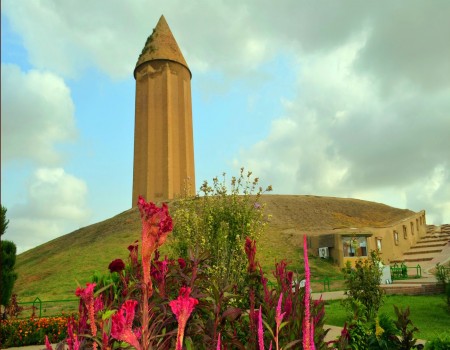
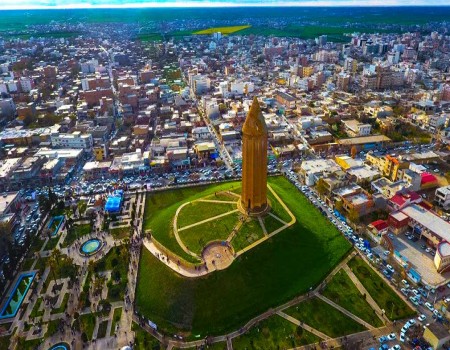
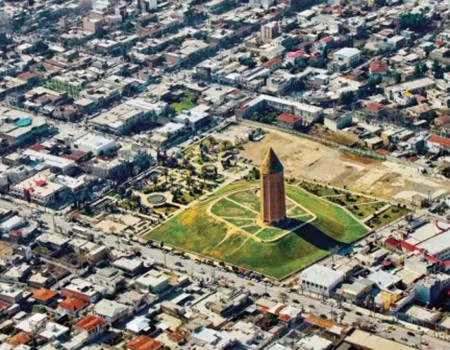
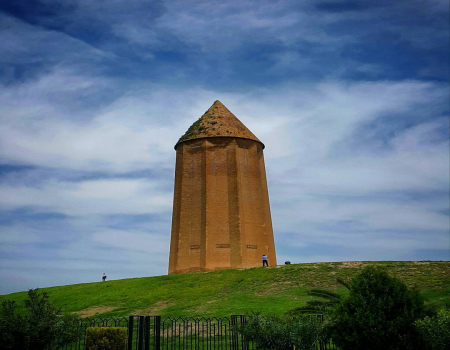
Gonbad-e Kavus is the Iranian city known historically as Gorgan/Hyrcania /jorjan which has been destroyed during the Mongol invasion (14th century) but The new name, is "the tower of Kavus", is a reference to the most imposing ancient monument in the city. The high tower tomb 53 m high is the only remaining part of the capital city of Ziyarid dynasty (1006 AD).

A unique baked brick tower is a geometric structure. The tower has been constructed near the ruins of the ancient city of Jorjan and is very obvious from great distances. It shows and proved the development of mathematics and science in the world at 1006 AD.

7)Historic City of Yazd (2017)

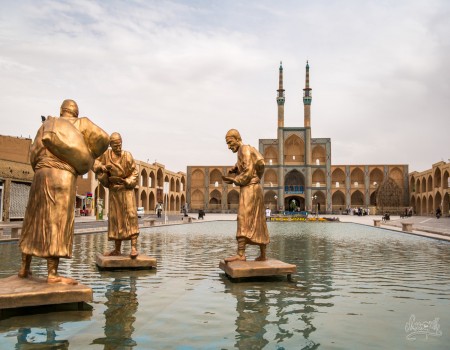
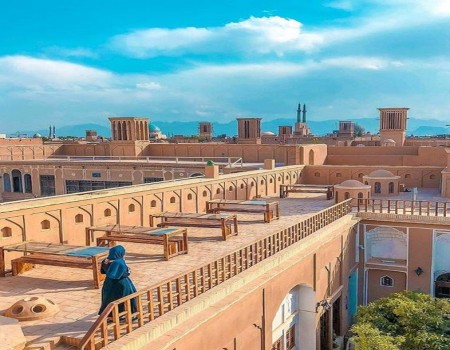
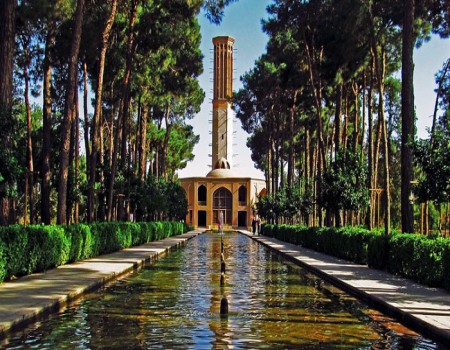
the desert city of Yazd is the most beautiful city and a picturesque city in middle east.it is well known as the city of Badgir (wind towers).

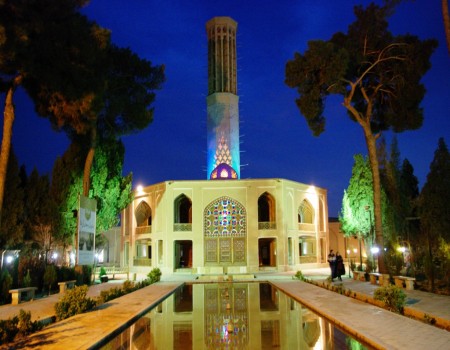
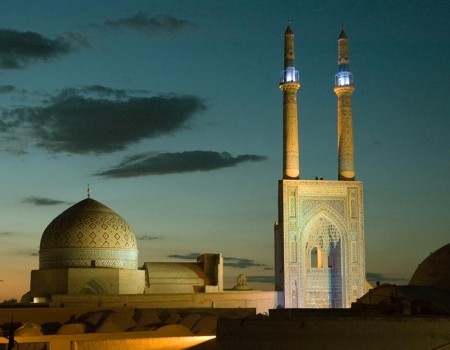
It exactly in central part of Iran and close to the silk road.it is a nice example of desert architecture. you can see the underground tunnels which bring water from the mountain to the city(Qanat). ab anbars (water reservoir). It is also called the city of Zorasterians. Dowlat abad garden is an outstanding example of Persian garden. City of traditional houses, bazars, hammams, the Jame Mosque of Yazd is a unique mosque in whole the country by the tallest minaret. There are also so many synagogues in Yazd. Synagogues in Iran have a history as old as the life of Jews in Iran.

8)Masjed-e Jāmé of Isfahan (2012)

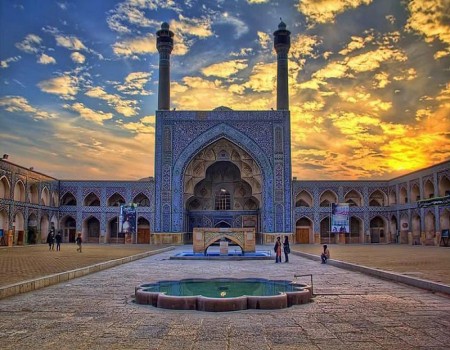
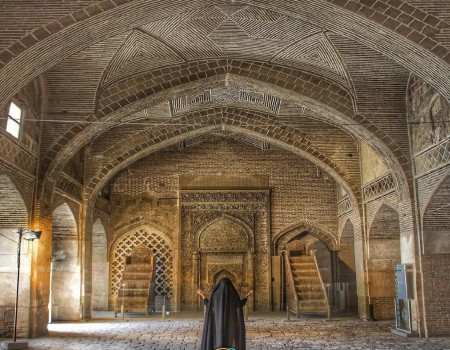
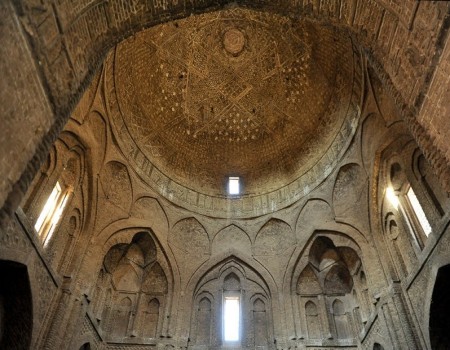
Jameh Mosque of Isfahan location is exactly in the heart of the historical center also well known as Friday Mosque.it is just like a historical document of Iran Islamic architecture during 1200 years ago. This congregational mosque illustrates a sequence of architectural constructions and decorative styles started from 841AD to the current time. also by newly excavation archeologist guessed that there are some layers here backs to a Sassanid fire temple. This mosque shows the art of different dynasties.

9) Naghshe Jahan Square, Esfahan (1979)

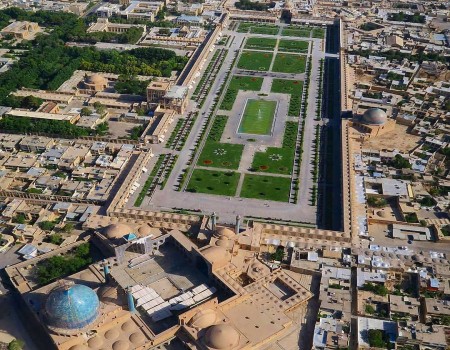
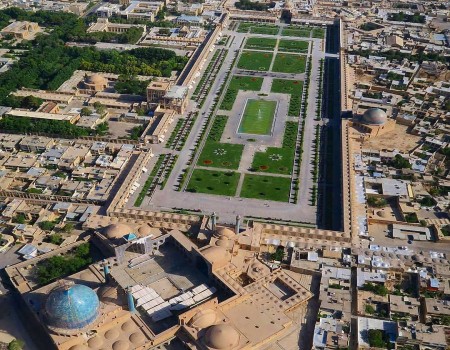
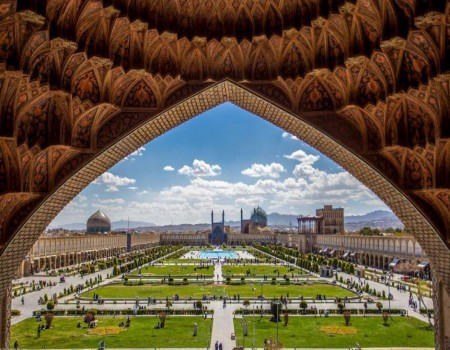
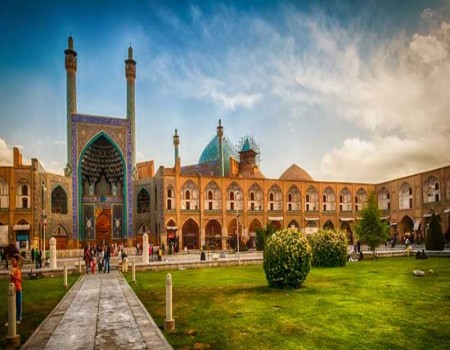
Naghsh-e Jahan means “Image of the World” and this monument backs to Safavid period. It is exactly in the center of Esfahan and is one of the largest city squares in whole of the world.
the famous  king of Safavid dynasty , Shah Abas the great who was on power from 1587 to 1628, selected Esfahan as  capital and made the royal square. It is an example of Persian and Islamic architecture.
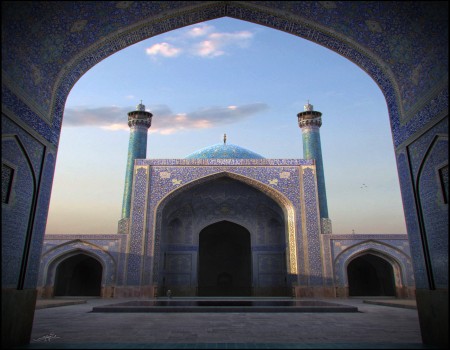
This wonderful square has four beautiful parts. Royal Mosque, Sheikh Lotfollah mosque, Portico of Qaysariyeh and Ali Qapu palace. All these monuments belonged to different level of social and cultural life during Safavid era.

10) Pasargad (2004)

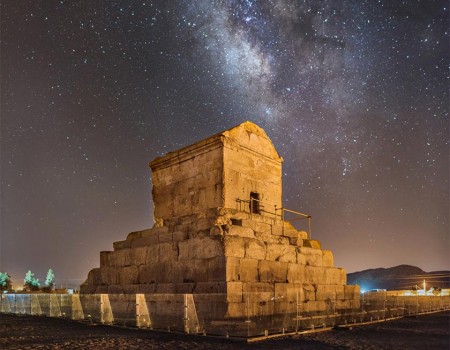
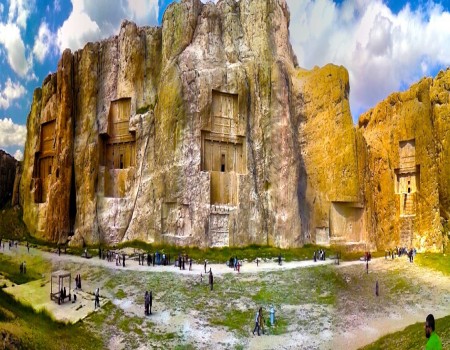
the first Achaemenid capital was formed by Cyrus II the Great in the 6th century BC. the Achaemenid capital of the first empire which respected the cultural and ritual diversity of its different peoples.

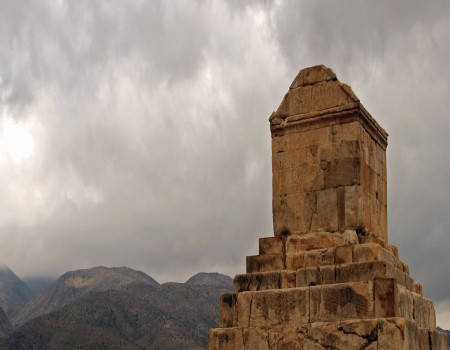
Cyrus II ordered to build this city near from Shiraz. Word by word translation of the city name is Throne of Pars Tribe. The tomb of Cyrus the great, fortress, royal gate, audience hall, residential palace and a Persian garden are the most important part of this sit. All these part have been destroyed except of Cyrus the great tomb by the order of Alexander by his warriors. The most mysterious part of the city is tomb of Cyrus the great.

11) Persepolis (1979)

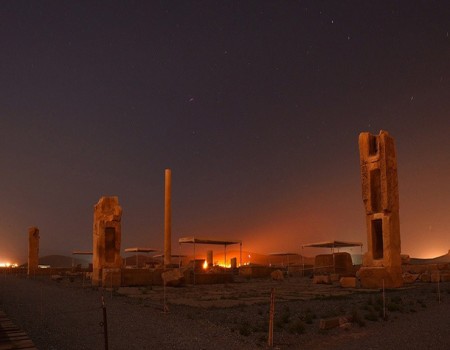
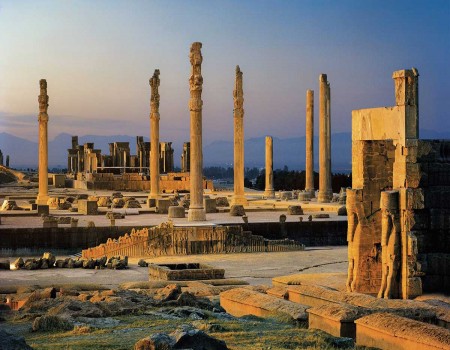
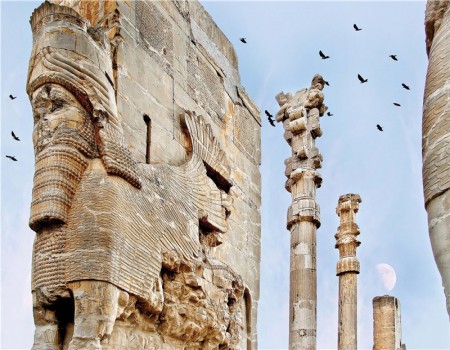
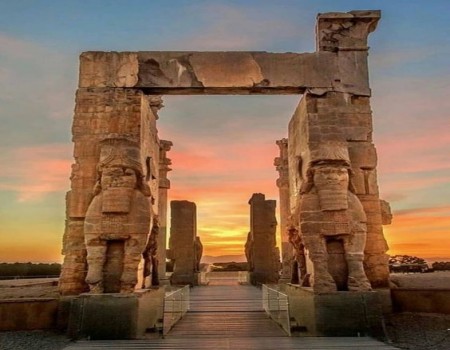
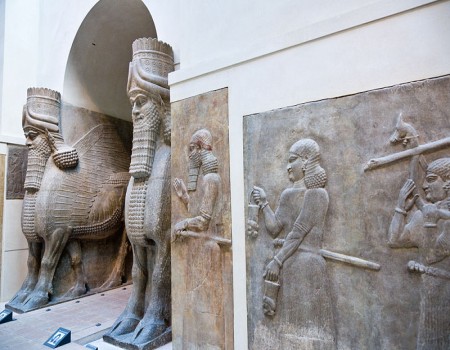
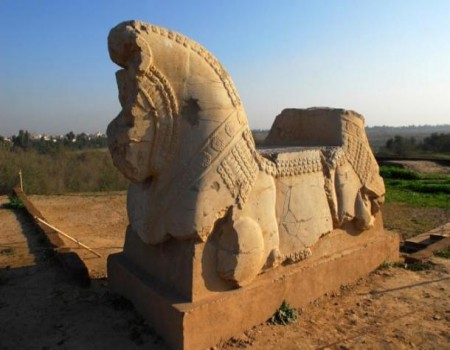
Founded by Darius I in 518 B.C., Persepolis  means city of Persia .it was the ceremonial capital of the Achaemenid Empire. The ruins of this archaeological site located at the foot of mountain of Rahmat (mercy) not far from northeast of Shiraz.

It was built on a platform half-artificial, half-natural, where the king of kings built there some impressive palaces like Mesopotamian models. it a unique archaeological site which reminds us the glory of Achaemenid Empire.

12) Sassanid Archaeological Landscape of Fars Region (2018)

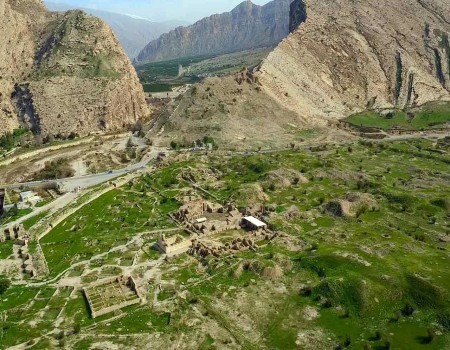
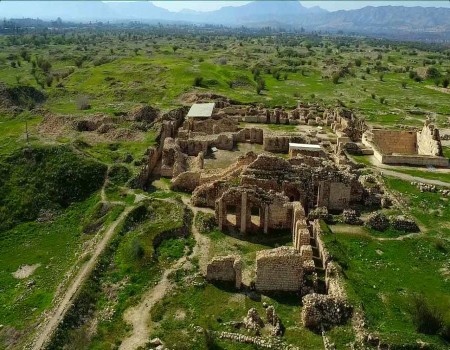
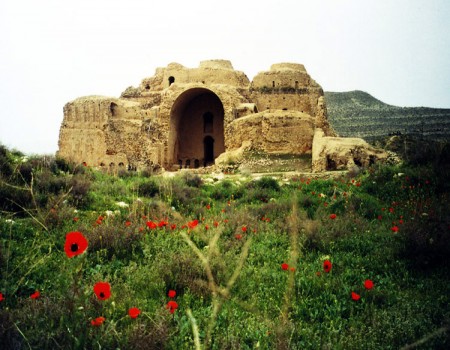
The eight archaeological sites situated in three geographical areas in the southeast of Fars Province: Firuzabad, Bishapur and Sarvestan. The fortified structures, palaces and city plans date back to the earliest and latest times of the Sassanian Empire, which stretched across the region from 224 to 658 CE. Among these sites is the capital built by the founder of the dynasty, Ardashir Papakan, as well as a city and architectural structures of his successor, Shapur I. The archaeological landscape reflects the optimized utilization of natural topography and bears witness to the influence of Achaemenid and Parthian cultural traditions and of Roman art, which had a significant impact on the architecture of the Islamic era.

13) Shahr-i Sokhta(2014)

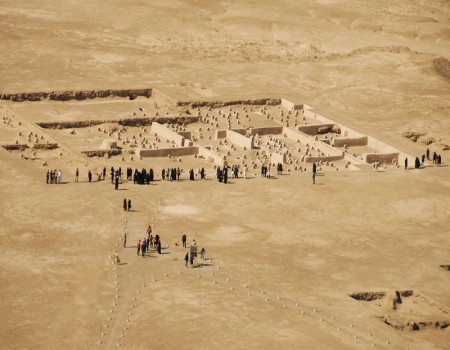
Shahr-e-soukhte, the other name is Burnt city glittered like a jewel and a treasure for archeologist .it is located at the junction of Bronze Age trade routes crossing the Iranian plateau. in Iran’s southeastern province of Sistan and Balouchestan.one of the ancient civilization in Mesopotamia backs to Elamite era or maybe older than it (3200 BC).

it was discovered that this city was an important city with remarkable population .it has separate parts like residential and monumental parts, graveyard, industrial parts.

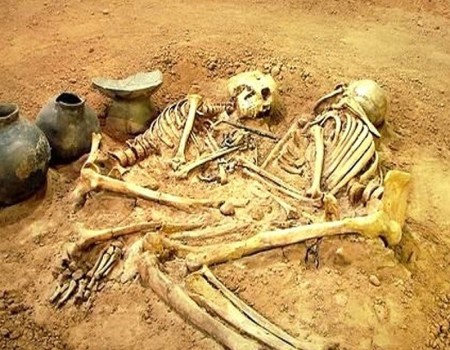
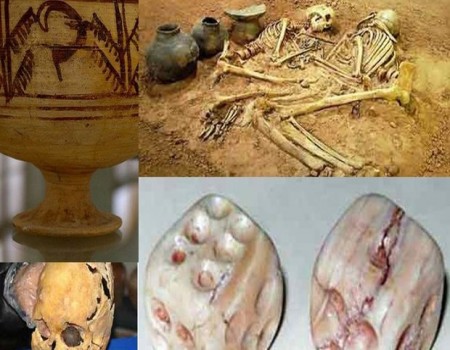
 During the excavation in 2006 archaeologists could discover the world's earliest known artificial eyeball in Shahr-i Sokhta. The oldest known backgammon, dice and caraway seeds are also founded there. Other important object was founded is human skull which indicates the practice of brain surgery. an earthen goblet depicting what archaeologists consider to be the first animation.

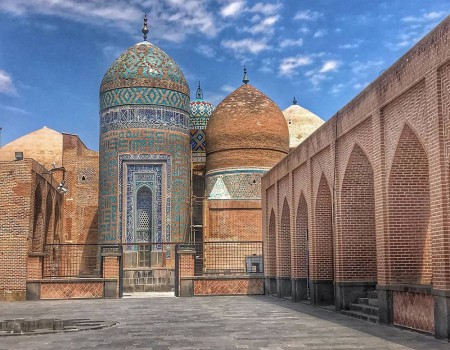
14) Sheikh Safi al-din Khānegāh and Shrine Ensemble in Ardabil (2010)

This ritual center with amazing architecture was designed at the beginning of the 16th century and was also very popular to the end of 18th century for Sufi followers. The founder of safavid dynasty Sheikh safi al ‘din ordered to establish this complex. Khanegah and Shrine Ensemble of Sheikh Safi al’din is a place of spiritual retreat in the Sufi tradition.it was designed as a city, with different functional places such as bazaars, public baths, squares, religious buildings, houses and offices, library, school, mausoleum, kitchen a bakery.

there is a route ends to the shrine of Sheikh which divided to seven segments mirror seven stages of Sufi mysticism. There are also eight gates remind us eight attitudes of Sufism. This complex is a great and artistic shrine Ensemble and Khaneghah. tomb of Sheikh Safi al-Din Ardabili also located there, a cylindrical tower topped off with a short dome.

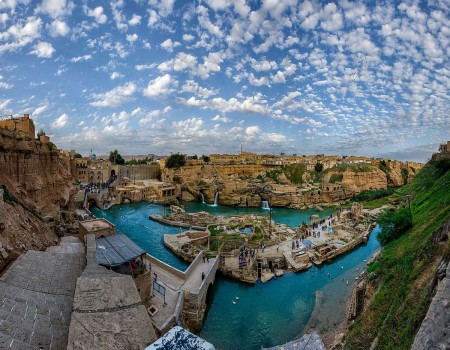
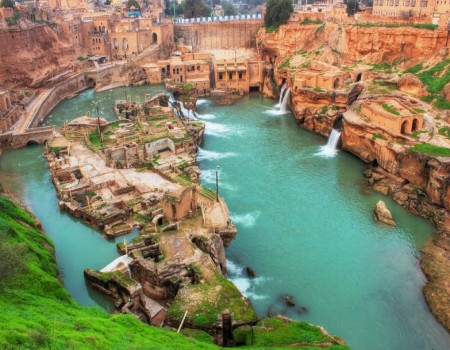
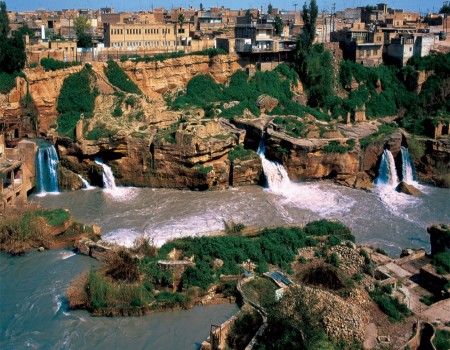
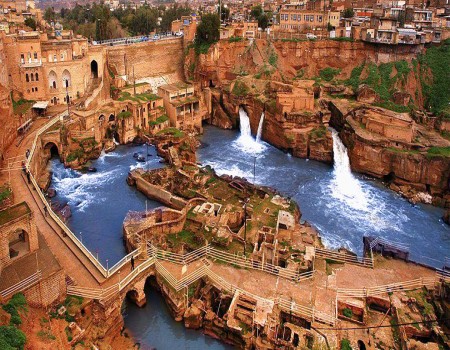
15) Shushtar Historical Hydraulic System (2009)

90 kilometers far from Ahvaz city in southern part of Iran there is an histirical fortress city which is called Shshtar.very famous for hydraulic system, near from  Karun river during the Sassanian era ,
The hydraulic system was an example of the rich civil engineering structures it consist of two main diversion canals on the river Kârun, the largest river In Iran. One of the canals, the Gargar canal, is still in use.

The system including different series of canals which supply water for mills. Shushtar infrastructure included water mills, dams, tunnels, and canals.

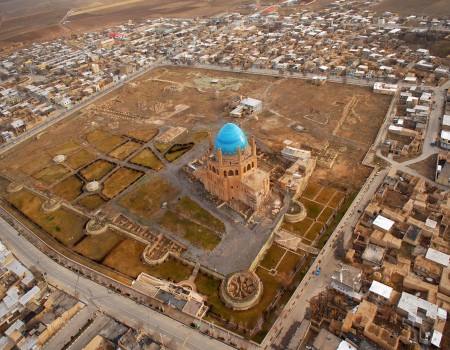
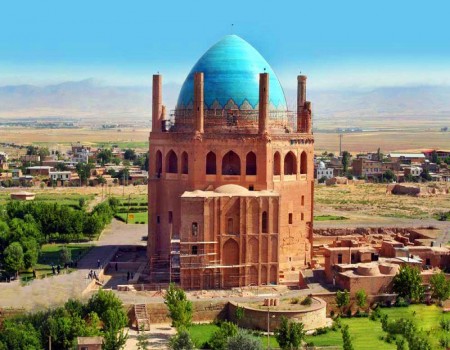
16) Soltaniyeh(2005)

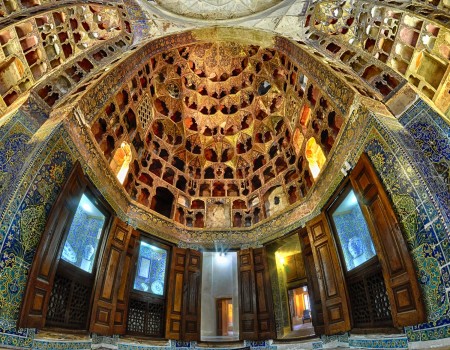
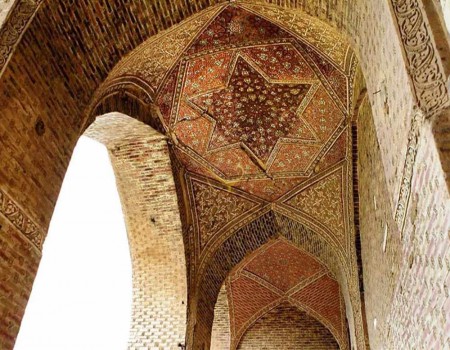
The most important capital of Mongol dynasty in Iran with mazing and mysterious stories is Soltaniyeh city. Mongol dynasties had different branches in Iran, during the 14th century the mausoleum of Ilkhanid king Oljaytu constructed in 1302-1312. The octagonal building is considered to be the third largest brick dome in the world, after the domes of Florence Cathedral and Hagia Sophia.

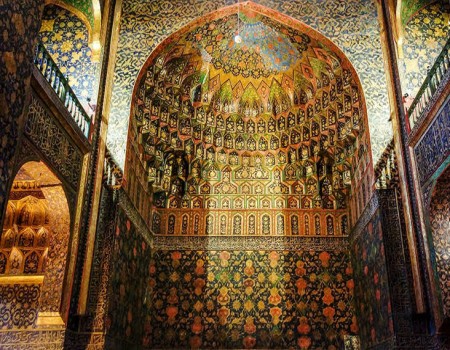
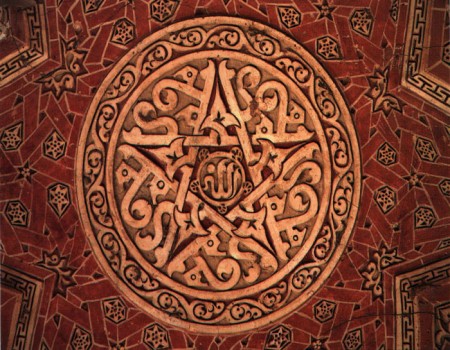
Dome interior decoration is outstanding. amazing glazed tile working, mosaics, brickwork and frescoes.the Calligraphy of name of God and holy Quran on the celling is a unique art. as A.U. Pope have described the building as ‘anticipating the Taj Mahal’.

17) Susa (2015)

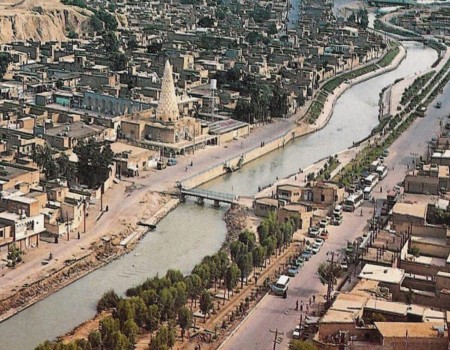
Shush or ancient susa in south-western part of Iran is an amazing and outstanding example of Mesopotamian culture and ancient Persian world. It includes a group of archeological monuments.in addition the archeologist excavated 14 different layers of different era such as Mesopotamian, Elamite, Persian, Parthian and etc.

This site shows us a continuous succession from the late 5th millennium BC till the 13th century AD.

18) Tabriz Historic Bazaar Complex (2010)

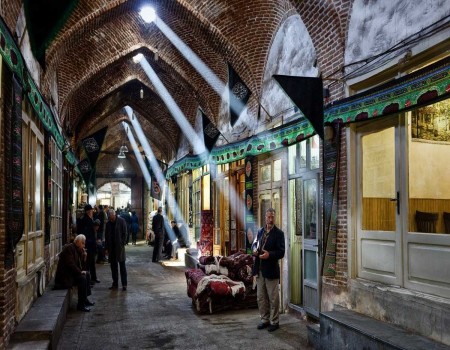
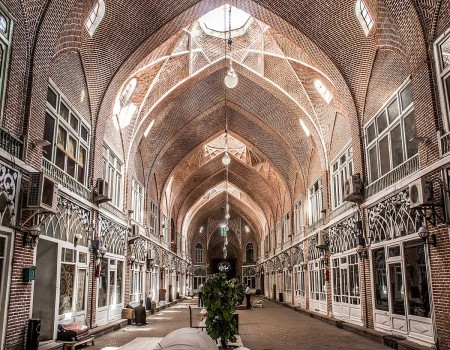
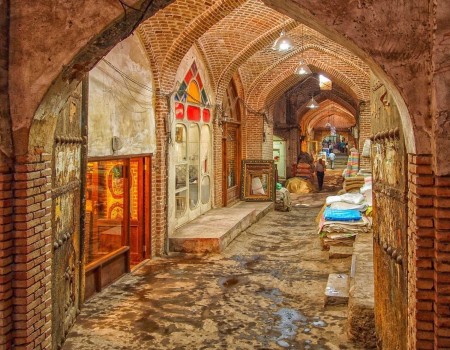
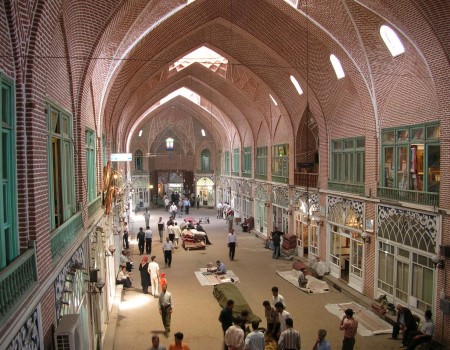
The Tabriz Historic Bazaar is a great complex and oldest covered bazar in the middle east. It is located in the heart of the city which is still alive.it is always working as the cultural and commercial exchange .it has many sub- bazars for different professions such as carpet sellers, jewelries, and so on. When the city Tabriz was the capital of safavid dynasty the (13th century) the roll of bazar was very important, up to the 18th century in Asia as well as in the world. It is one of the most complete examples of the traditional commercial and cultural system of Iran.

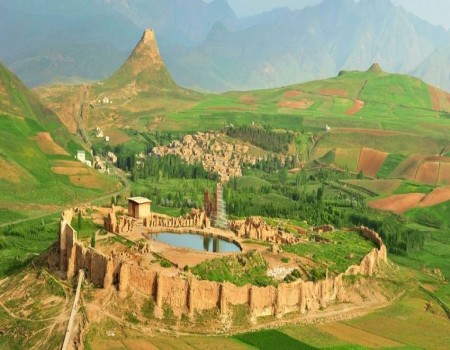
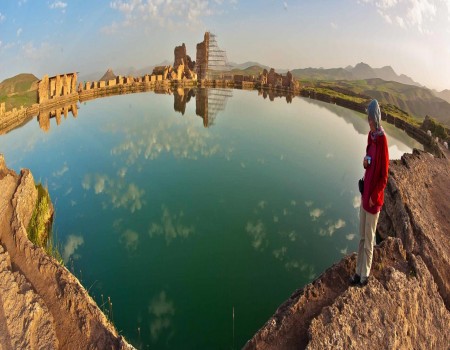
19) Takht-e Soleyman(2003)

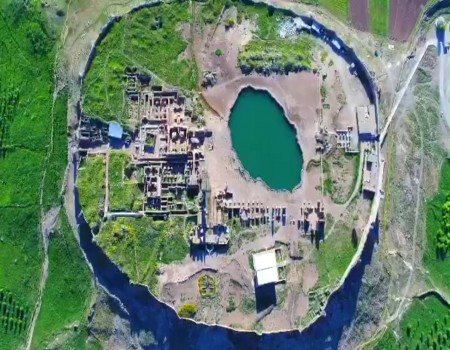
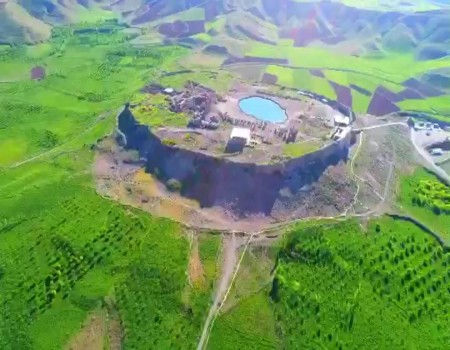
An amazing archaeological site of Takht-e Soleyman literary means Solomon throne, in north-western Iran.it was a Zoroastrian fire temple belonged to the warriors. also known as Azar Goshnasb fire temple which was situated in a valley near from a volcanic mountain region. It was rebuilt in different dynasties. During Ilkhanid (Mongol) period (13th century) this temple was as important as Sassanid period (6th and 7th centuries).it was dedicated to angle of water Anahita.

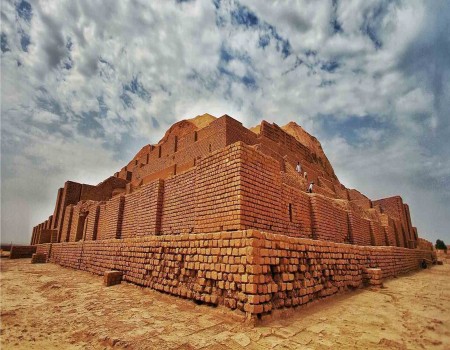
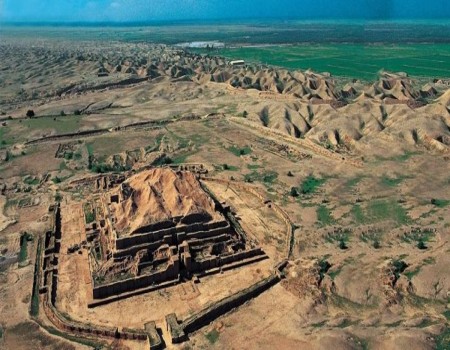
20) Tchogha Zanbil(1979),

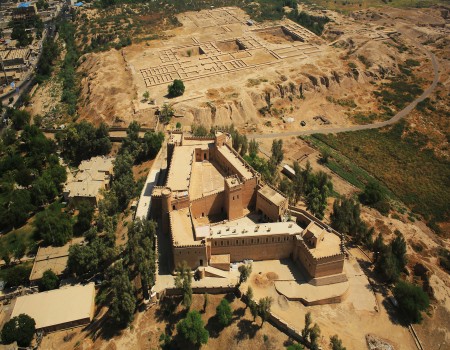
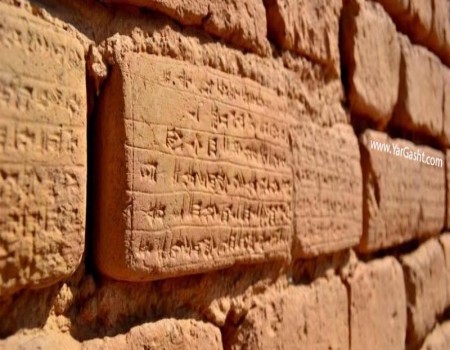
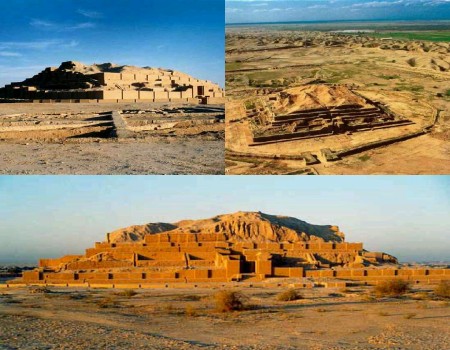
The ruins of the holy city of the Kingdom of Elam, surrounded by three huge concentric walls, are found at Tchogha Zanbil. Founded 1250 B.C., the city remained unfinished after it was invaded by Ashurbanipal, as shown by the thousands of unused bricks left at the site.

It was built 1250 BC. a stepped mud brick ziggurat belonged to the ancient civilization which was called Elamite civilization. The ancient Elamite civilization is in south western part of Iran near from Susa.

Nowadays Susa is in Khuzestan province. This city was formed by the order of Elam king Untash Napirisha. Ziggurat means ‘’mountain peak’’.it was actually the link between paradise and earth. this structure had 5 levels crowned with a temple, and overlooked the rich valley of the river Ab-e Diz and its forest.it was dedicated to the Elamate divinities Inshushinak & Napirisha. At that time people used to go to worship these Gods.

21) The Persian Garden (2011)

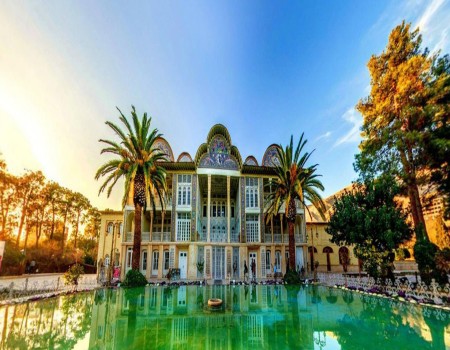
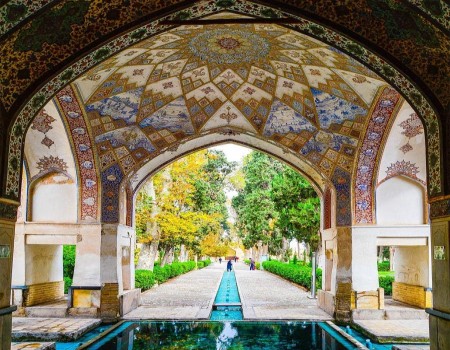
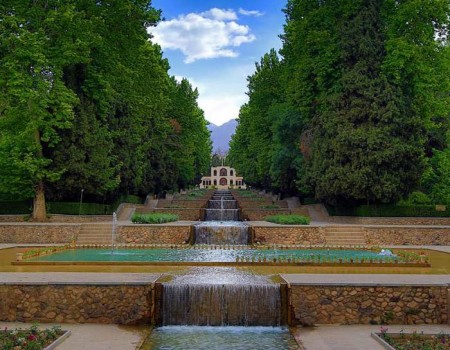
Pasargad Garden( Pasargadae Province), Chehel Sotoun Garden ( Isfahan Province), Fin Garden ( Kashan Province), Eram Garden ( Shiraz Province), Shazdeh Garden ( Kerman Province), Dolatabad Garden ( Yazd Province), Abbasabad Garden (Mazandaran Province), Akbarieh Garden ( South Khorasan Province) and  Pahlevanpour Garden(Yazd province) are nine gardens in Iran which were registered by unesco as a world heritage site with name of Persian gardens.

They exemplify the diversity of Persian garden designs that evolved and adapted to different climate conditions while retaining principles that have their roots in the times of Cyrus the Great, 6th century BC. Always divided into four sectors, similar four gardens mentioned in holy book Quran. With four holy elements of Zoroastrian (sky, earth, water and plants). These gardens, dating back to different periods since the 6th century BC, also feature buildings, pavilions and walls, as well as sophisticated irrigation systems. They have influenced the art of garden design as far as India and Spain.

22) The Persian Qanat (2016)

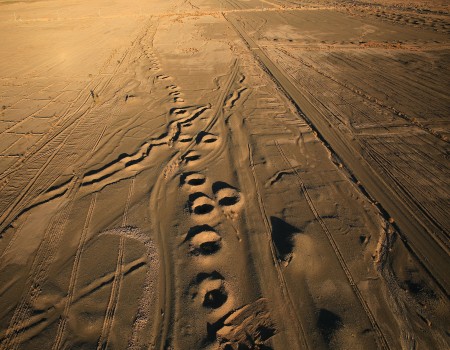
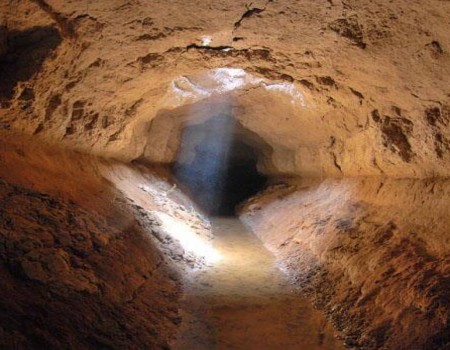
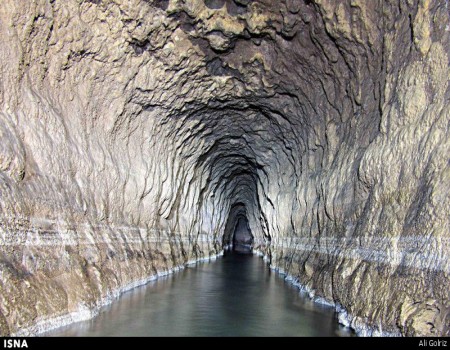
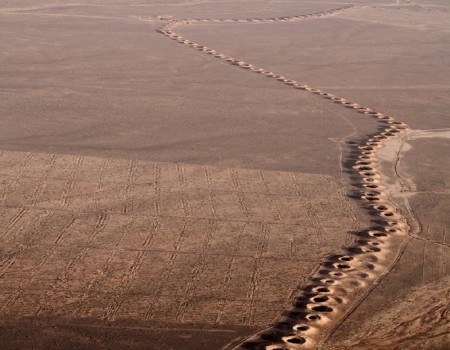
Ancient Qanat system was an innovation by Persian people during the history they could find out how they can live in desert situation and solve the water crisis
a gently sloping underground tunnel constructed to lead water from the interior of a hill to a village below. The traditional management system still in use in central desert of Iran and bring the locals a sustainable water sharing and distribution.

UNESCO HAS DESIGNATED 2 SITES IN IRAN AS UNESCO WORLD NATURAL HERITAGE SITES
23) Hyrcanian Forests (Natural) (2019)

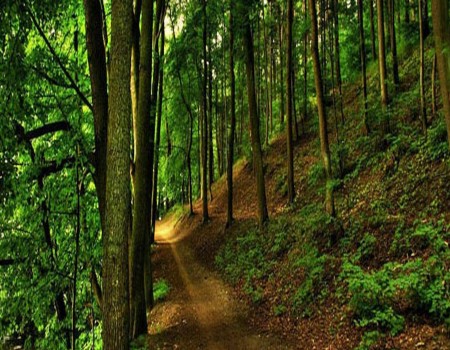
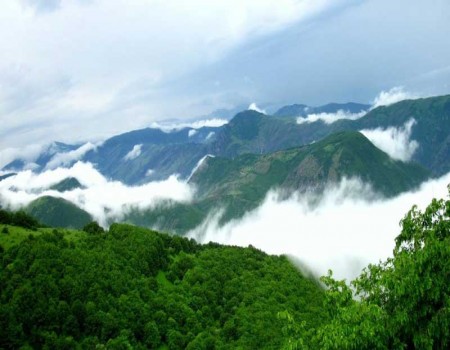
Hyrcanian forests form a unique forested massif that stretches 850 km along the southern coast of the Caspian Sea. The history of these broad-leaved forests dates back 25 to 50 million years, when they covered most of this Northern Temperate region. These ancient forest areas retreated during the Quaternary glaciations and then expanded again as the climate became milder. Their floristic biodiversity is remarkable: 44% of the vascular plants known in Iran are found in the Hyrcanian region, which only covers 7% of the country. To date, 180 species of birds typical of broad-leaved temperate forests and 58 mammal species have been recorded, including the iconic Persian Leopard (Panthera pardus tulliana).

24) Lut Desert(Natural) (2016)

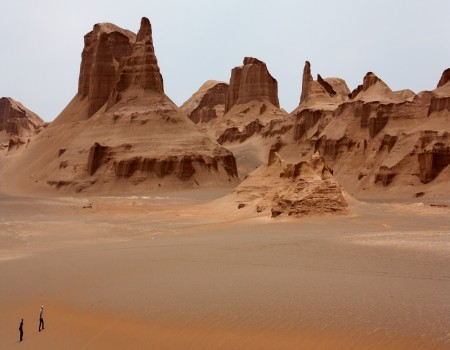
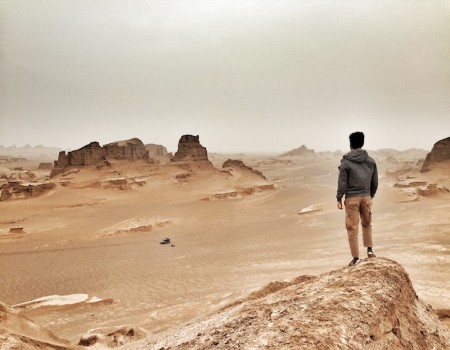
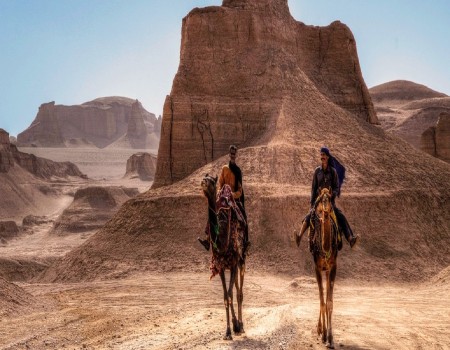
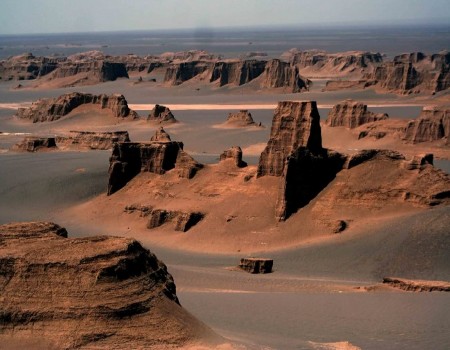
The Lut Desert is located in south eastern part of Iran.it stretches about 320 km from northwest to southeast & is about 160 km wide 300 km above the see level. 24th largest desert in whole of the world.10 percent of Iran's land. Hottest place on earth recorded according to NASA’s satellite data, 70.7°C was recorded there.

The terrain and geological features of the Lut desert include unusual sand dunes, wind-sculpted star dunes and salt plains and polygons,  vestiges of former seas and inland lakes.